A Smaller Peach Crop Raises the Value of Every Quality Decision
- Quality Control App
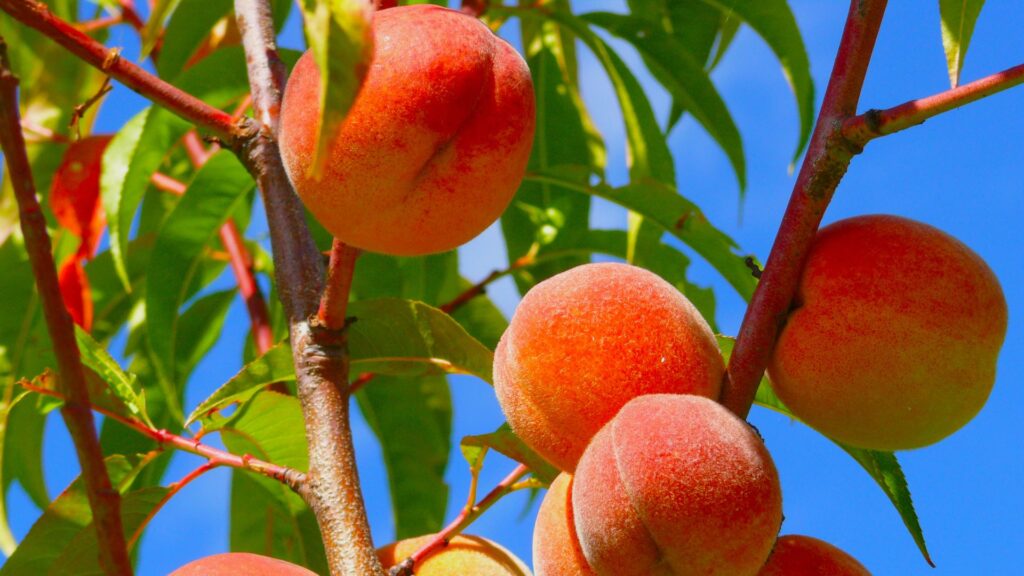
The 2026 peach season has been a difficult one across parts of the United States.
- In Michigan, winter and spring cold events caused major crop losses, with damage varying sharply between regions, orchards and even individual blocks.
- In Ohio, late freezes hit after blossoms had emerged, cutting into an already vulnerable crop.
- Alabama growers faced a similarly uneven picture, with some varieties more exposed than others depending on bloom timing.
For growers, packers and buyers, that creates a problem that extends well beyond yield.
When less fruit is available, every shipment carries more commercial weight. A preventable downgrade, an inconsistent inspection or a lot sent to the wrong customer can mean losing value that is much harder to replace in a constrained season.
Weather determines how much fruit makes it through the season. From that point on, quality decisions determine how much value the supply chain is able to preserve.
A reduced crop changes the economics of quality
In a normal season, a rejected or downgraded lot is already expensive. But in a reduced crop year, the impact is much harder to absorb.
With less fruit available overall, every decision about grading, allocation and acceptance carries more weight.
- Premium-quality fruit needs to be identified accurately.
- Borderline lots need to be assessed against the right specification.
- Fruit that cannot meet one customer’s requirements may still have value elsewhere in the market.
In this context, quality control becomes a critical part of the commercial response to scarcity.
Precision as the north star
The natural temptation is to lower standards in order to cope with tight supply. But this is not always the right move. A better goal is to make decisions that are precise enough to avoid losing value unnecessarily. This precision in decision-making can offset common traps such as:
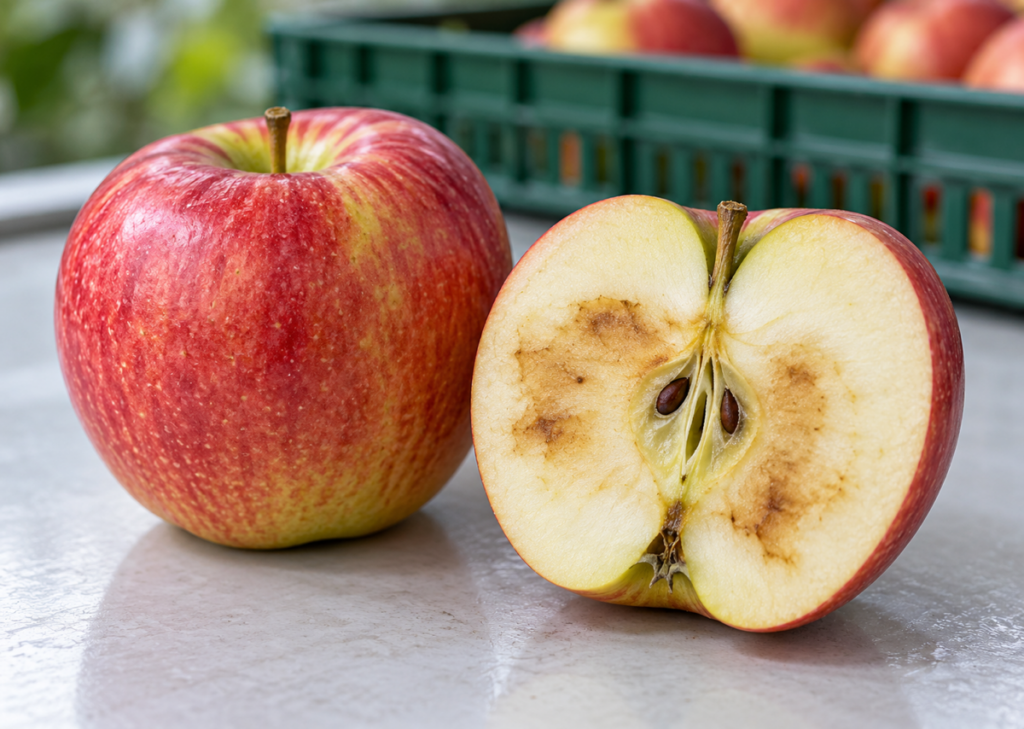
- A receiver downgrading a lot because two inspectors interpreted the same defect differently
- A rejection based on the wrong customer specification being applied (so that a defect that would have been tolerable becomes a rejection)
This matters even more in a season where crop losses are uneven. Michigan State University reported major differences in viable crop between regions and orchard blocks following winter and spring cold damage. That means growers and buyers may be working with a much less predictable mix of volume and quality than they would expect in a typical year.
When supply is constrained, there is simply less room for avoidable quality losses further down the chain.
Quality is likely to vary across orchards, blocks and varieties
A difficult season rarely affects every grower, orchard or variety in the same way.
Michigan State University reported that 2026 crop losses varied significantly by location, with some peach blocks retaining viable fruit while others suffered severe damage after repeated cold events. In Alabama, growers were also seeing differences based on bloom timing, with earlier-blooming varieties more exposed to freeze damage.
For quality teams, that variability matters because it makes broad assumptions less useful.
Historical averages can still provide context, but they cannot tell you what is happening in a specific lot today. Two shipments from the same region may have very different quality profiles, and even fruit from the same operation can vary by block, variety or harvest timing.
Subjective grading makes this harder to manage
When supply is tight, inconsistent inspection creates an additional layer of risk.
One inspector may treat a borderline defect as acceptable while another may downgrade the same fruit, which leads to disputes. In another part of the supply chain, a buyer may be willing to accept a certain cosmetic issue that another program will not. That more tolerant buyer should be noted as a recipient for produce that stricter ones will reject.
Under pressure, teams may also be tempted to relax standards informally rather than applying a clear, agreed specification. That is another fertile ground for disputes to begin.
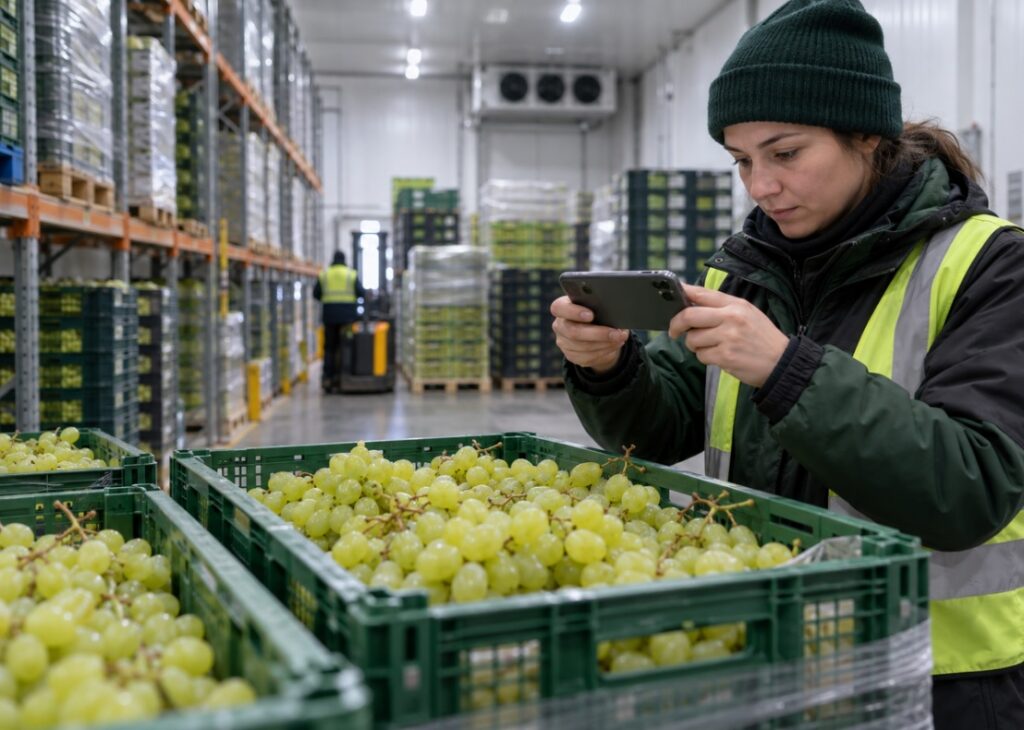
The only viable solution to all of these challenges is truly consistent grading, backed by clear criteria, photo evidence and a shared inspection record that nobody can argue about.
Every lot needs the right commercial destination
A reduced crop makes binary pass-or-fail thinking especially limiting. In a constrained season, preserving value often depends on making the right routing decision as much as the right grading decision.
Premium retail, standard retail, local programs, processing and secondary channels can all have different quality requirements. Fruit that does not meet one specification may still be commercially valuable somewhere else. Identifying that value is a revenue-preserving opportunity, and one that is almost impossible to seize without a modernized quality control system.
Clarifresh can help your team make faster, more consistent quality decisions when every shipment counts.
Book a demo today to see how.