Peaches and nectarines are often treated as a single operational category. In practice, the fruit moving through a packing house or receiving dock can differ significantly by variety, maturity, destination and customer requirements.
The 2026 season has made some of those differences especially visible.
In Alabama, growers reported that freeze exposure varied depending on bloom timing, meaning some varieties were more vulnerable than others during the same weather event. Individual cultivars can also carry distinct commercial characteristics, ownership and market value.
There’s an important practical lesson here for quality teams. A shared quality system is essential, but a single rigid definition of “good peach” is not enough.
“Peach quality” is not a single standard
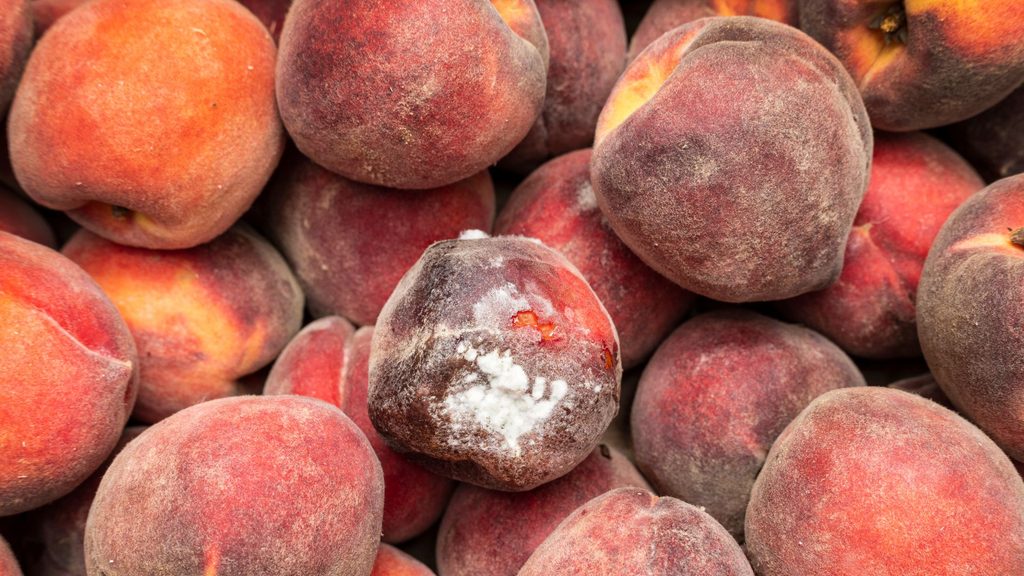
Quality control works best when inspectors know exactly what acceptable fruit should look and feel like. But those expectations are not always identical from one program to another.
A peach intended for one retailer may be assessed against a different size range, color requirement or defect tolerance than fruit going to another customer. Firmness expectations can also depend on where the fruit is in its maturity window and how far it still needs to travel.
Variety adds another layer of complexity
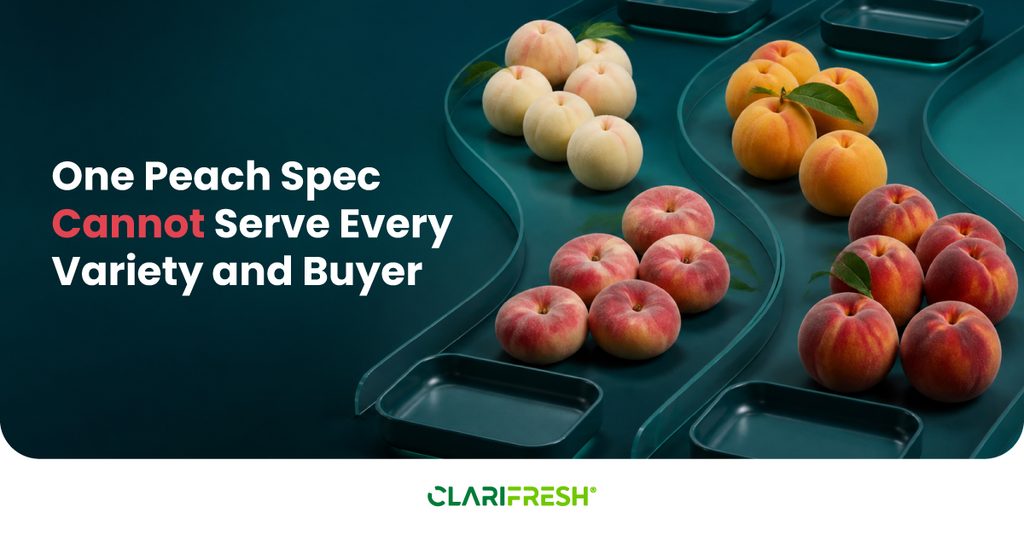
Different varieties can have different visual characteristics and development patterns. The Alabama reporting from this season demonstrates that even bloom timing can vary enough to change how individual varieties respond to the same weather conditions.
None of this means standards should become looser. It means they need enough structure to distinguish genuine quality problems from legitimate differences between programs.
Generic specifications create avoidable errors
A broad specification can look simpler on paper, but simplicity can become a problem when it removes distinctions that matter commercially.
If inspectors are working from criteria that are too generic, several things can happen, none of them helpful:
- Natural characteristics of one variety may be treated as defects because the inspector is working from a visual benchmark designed around another. A borderline palette may get an unnecessary downgrade.
- At the other extreme, genuine non-conformities can slip through when a specification is too vague to establish a clear threshold.
The same problem appears when buyer requirements are not built directly into the inspection process.
Two customers may purchase the same produce while applying different tolerances for size, color or cosmetic damage. If inspectors have to remember those differences, locate them in separate documents or interpret them informally, consistency becomes difficult to maintain.
The cost here is not only an inaccurate inspection. It can be a shipment sent to the wrong program, a preventable rejection or a dispute that begins because the supplier and buyer were working from different definitions of acceptable quality.
Buyer requirements differ
The more customers, varieties and markets an operation serves, the harder it becomes to manage specifications manually.
One buyer may prioritize a narrow size range. Another may tolerate more cosmetic variation but require firmer fruit for a longer distribution journey. A third may have different acceptance thresholds again.
Quality teams have to preserve those differences without fragmenting the inspection process itself. That requires a clear distinction between standardizing quality measurement and standardizing every quality threshold.
The first creates consistency, but the second can create rigidity.
How can standardization create consistency but not rigidity?
A strong QC framework gives every inspector the same language and process for assessing fruit. That includes:
- Clear definitions for all relevant attributes should be defined clearly.
- Consistent naming of defects and quality issues.
- The same method of recording measurements across locations and teams.
If a system is overly rigid, it will fail to account for the fact that thresholds may need to change. The acceptable size range can vary by customer. Color expectations may a;sp differ by variety or market. Even defect tolerances can change between retail programs, and firmness targets may depend on destination and expected transit time.
Having one specification for every peach and nectarine is not feasible. What is feasible: one quality framework capable of applying the correct specification to the fruit in front of your inspectors.
Digital specifications make complexity manageable
This is where digitization becomes useful for reasons beyond simply removing paper.
- A digital quality system can present inspectors with the relevant criteria for the specific lot or customer in front of them, while maintaining the same overall inspection workflow.
- Buyer-specific tolerances can be embedded directly into the inspection rather than held in separate spreadsheets or documents.
- Updates happen centrally rather than relying on individual teams to replace old versions.
- Photos and examples can provide a common reference point when a written description leaves room for interpretation.
That makes it possible to introduce variation where variation is necessary without creating a different quality-control process for every customer.
It also improves comparability. Two lots may be inspected against different acceptance thresholds while still generating structured data around the same underlying attributes: size, color, firmness, maturity and defects. Quality managers can then understand not only whether each shipment passed, but how the fruit itself is performing across varieties, suppliers and programs.
Better specifications support better commercial decisions
The value of a flexible specification system extends beyond the inspection team.
A lot that falls outside one customer’s requirements may still be suitable for another program. For example, fruit that is too mature for a longer distribution route may be appropriate for a faster-moving market. And a cosmetic issue that prevents premium positioning may not remove the fruit’s value entirely.
Those decisions depend on knowing precisely where the lot differs from the required specification.
A simple pass or fail result provides limited information. But structured quality data provides options. For commercial teams, those options can mean matching fruit to a more appropriate buyer rather than rejecting it outright. For QC teams, they mean applying standards consistently without pretending that every customer or variety is the same.
One quality backbone, multiple definitions of “acceptable”
Peach and nectarine quality control does not need a choice between rigid standardization and hundreds of disconnected specifications. The more practical model is a shared quality backbone with controlled variation built into it.
This model benefits every stakeholder in the quality process.
- Inspectors work from consistent definitions and processes.
- Buyers retain the tolerances that matter to their programs.
- Different varieties can be assessed in the context of their actual characteristics.
- Quality results remain structured enough to compare across the business.
For a category with as much natural and commercial variation as peaches and nectarines, consistency comes from applying the right standard the same way every time, not from applying the same standard to everything.
Book a demo to see how Clarifresh helps teams apply the right quality standards across varieties, buyers, and markets.