The U.S. Pumpkin Harvest is the Ultimate Seasonal Test
- Quality Control App
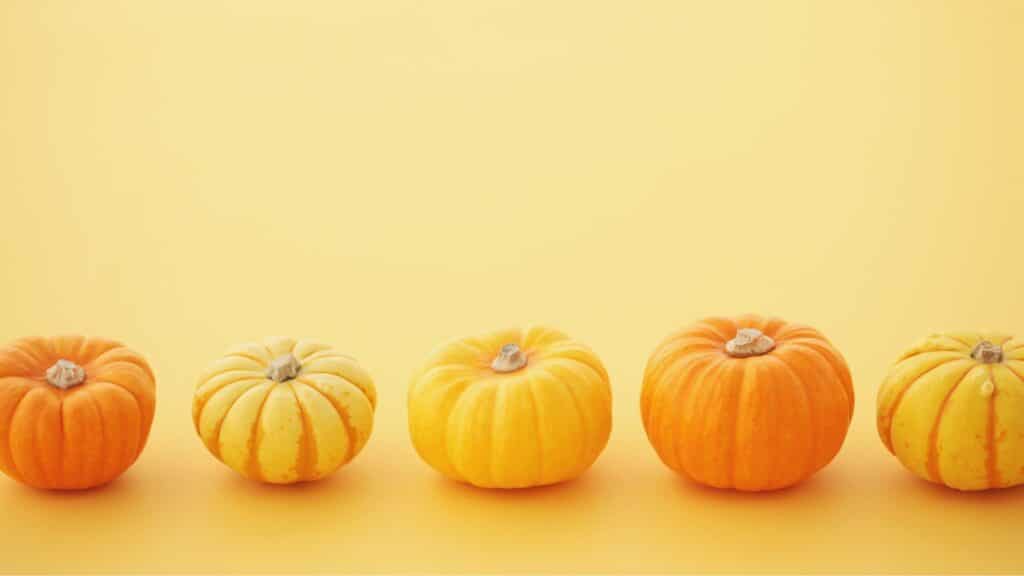
Each fall, over 2 billion pumpkins are harvested in the U.S. In a short space of time, that produce moves through American farms, grocery stores, and front porches. It’s a brief but massive wave of orange that defines the season.
For the fresh produce industry, they represent one of the most compressed and high-stakes harvests of the year. From the moment fields begin to turn orange to the last Thanksgiving pie, the entire value of a pumpkin crop is packed into just a few weeks.
In this article, we’re taking a look at why the stakes are so high, and how growers and retailers are leveraging quality control tech to make the most of this one-shot harvest.
Pumpkins Are the Season’s Most Demanding Crop
Unlike crops with multiple harvest cycles or long storage life, pumpkins are a one-shot crop. They dominate a narrow market window from mid-September through late November. ANd after that, demand collapses almost overnight.
This degree of concentration makes pumpkins an important (and risky) case study for anyone in produce quality management.
Retailers, processors, and growers alike rely on precision timing. A rain-delayed harvest can push pumpkins past their retail prime. On the other hand, a week too early, and they may not have fully colored. In either case, the economic hit is immediate. For some smaller farms, a poor pumpkin season can determine the entire year’s financial outlook.
Harvest Timing Across the U.S.
Timing varies by region, but every grower races against the same seasonal clock.
- Midwest & Northeast: September to October are peak months. Cooler nights enhance color, but early frost can devastate fields.
- South: The harvest starts earlier, sometimes in August. This gives farmers a head start but exposes them to intense late-summer heat stress.
- West Coast: Production can extend into early November, with milder climates allowing slightly longer harvest flexibility.
The state of Illinois deserves special mention. It produces roughly 40% of all processing pumpkins in the U.S., largely under contract to companies like Libby’s (Nestlé). Illinois growers operate on tight industrial timelines, where even a few days of rain can clog fields and threaten factory supply schedules.
Weather, of course, remains the biggest variable. The 2025 season offered a mixed bag. Texas reported strong yields thanks to steady summer rains, but most producers know better than to rely on luck. Next year could bring drought, flooding, or a hurricane-season surprise.
Fresh Market vs. Processing Pumpkins
The U.S. pumpkin market operates in two parallel lanes: fresh-market pumpkins, which dominate front porches and supermarket displays, and processing pumpkins, which supply canneries and bakeries.
USDA data highlights Illinois as the nation’s processing powerhouse, while most other top-producing states focus almost entirely on the fresh market. This split reveals how infrastructure and buyer networks shape regional specialization.
Though they often grow in neighboring fields, their end goals couldn’t be more different.
Fresh-Market Pumpkins
These are the classic jack-o’-lantern and ornamental varieties. They’re harvested between late September and mid-October, when their color is deepest and their stems have hardened. Here, quality depends on visual characteristics like size, shape, hue, and stem integrity. These pumpkins have a short shelf life, even under ideal conditions. Their visual appeal begins to fade within weeks. For retailers, that means speed is everything: get them in, get them sold, and move on before the post-Halloween drop-off.
Processing Pumpkins
The harvest for these pumpkins typically starts in August and continues through September. Instead of visual attributes, they’re bred for flesh yield, sugar content, and texture.. Growers who specialize in this variety tend to optimize for puree and pie filling rather than carving. These growers pay close attention °Brix readings and fiber density, not symmetry or stem condition. The timing is equally unforgiving: processors need raw pumpkins delivered promptly to keep canning lines running ahead of the holiday baking season.
Balancing Two Markets Through Smarter Quality Control
Many growers straddle both markets, supplying fresh and processing buyers in the same year. That dual role adds another layer of complexity. Fields and harvest crews must be scheduled around two overlapping but distinct quality standards: one visual, one compositional. It’s a balancing act that demands both agronomic skill and logistical precision, and underscores why efficient quality control is central to a profitable pumpkin season.
Risks and Challenges in the Pumpkin Supply Chain
Pumpkins pose nearly every post-harvest challenge imaginable:
- Weather volatility: Rain or heat during ripening can trigger premature decay or surface blemishes.
- Storage limits: Pumpkins don’t store well. Unlike apples or potatoes, they deteriorate quickly outside optimal temperature and humidity.
- Labor bottlenecks: Harvest, grading, and transport must happen in a short burst, often stretching local labor capacity.
- Revenue concentration: One harvest, one payoff. Every quality rejection carries more weight than it would in year-round commodities.
These conditions create the perfect storm for quality control challenges. Manual grading at peak volume can easily fall behind demand, forcing difficult choices about which shipments move first.
Manual inspection during peak harvest can create bottlenecks, with inspectors struggling to keep pace with inbound loads. At that scale, even a small misclassification can cascade into rejected shipments or wasted inventory.
A Glimpse Across the Pond
In Europe, pumpkins tell a slightly different story. In places like the Netherlands and Germany, consumer demand reacts dynamically to weather. Cold, windy autumns drive sales for soups and roasts. Unlike the U.S., where demand peaks around fixed cultural moments (Halloween and Thanksgiving), European sales respond more fluidly to temperature and mood.
This contrast underscores how climate and culture intertwine to shape supply-chain risk. Yet beneath those cultural differences lies the same operational truth: when demand surges in a short, weather-sensitive season, only disciplined quality control keeps the supply chain moving at pace.
Compressed Seasons: Where AI-Powered Quality Control Comes Into Its Own
Pumpkins epitomize seasonal pressure in fresh produce: a narrow harvest window with near to zero tolerance for error. They remind us that post-harvest quality management depends on synchronizing data, labor, and logistics to extract maximum value from fleeting opportunities.
Digital and AI-powered quality control tools are changing that equation. Real-time inspection systems allow teams to capture grading data instantly, compare batches against standardized thresholds, and make distribution decisions on the spot.
The pumpkin harvest may be brief, but its lessons apply across every crop: timing, data, and quality define success. Book your demo to learn more about bringing your quality control operations into the digital age.