The Future of Fresh Produce Quality: Insights from IFPA and Fruit Attraction 2025
- Quality Control App
The International Fresh Produce Association (IFPA) and Fruit Attraction (FA) expos are two of the world’s most influential fresh produce events. This year, they both offered a clear signal that the fresh produce industry is entering a new phase of digital maturity.
Across continents, growers, packers, and retailers are realizing that manual quality control systems and fragmented communication are holding them back. These methods simply cannot match the pace, scale, or expectations of modern produce supply chains.
The Clarifresh team were there at both IFPA and Fruit Attraction, talking to leading retailers and growers about their biggest quality control challenges. Across every conversation, it was clear that the industry is moving fast. From meeting retailer specs to keeping inspection data consistent and managing shrinking workforces, the focus has shifted from why to digitize to how fast.
A Global Shift Toward Tech-Driven Quality
Digital transformation in produce has historically lagged behind other sectors, slowed by the complexity of perishable goods and the variability of agricultural conditions. But 2025 felt different.
“The industry is more concerned about technological advances, with clear signs of a real transition underway.” – Cristobal Vicente Apablaza Baeza, Head of LATAM & Spain.
Companies want smarter ways to collect, share, and act on quality data in real time. Modern quality control tools enable this, along with other critical advantages that fresh produce businesses cannot afford to ignore:
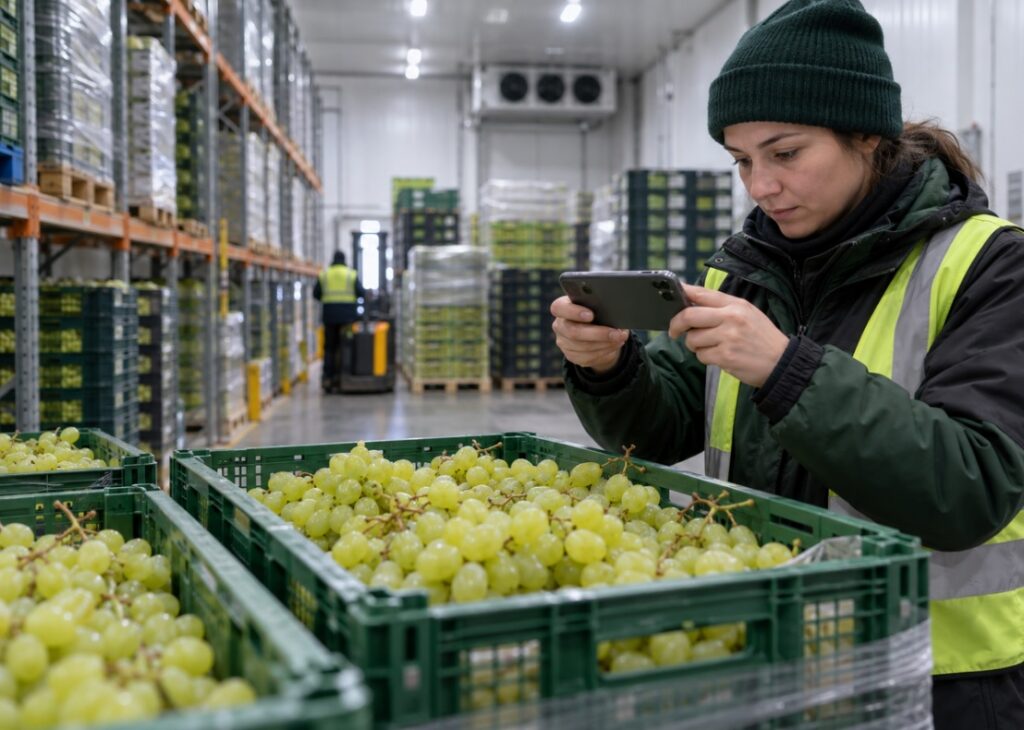
- Quality inspections conducted on smartphones, everywhere from packhouses to remote fields.
- Centralized inspection reports that update as they receive new inspection and defect data.
- AI models that can spot early signs of spoilage, so the right decisions can be made on the spot.
With a surprising number of businesses still managing quality on paper or through home-built systems, the industry is ripe for change, and all the advantages that modernization brings.
Labor Shortages Are Accelerating Automation
Few challenges unite the global produce industry like the shortage of skilled labor. Inspectors with years of experience and trained eyes are increasingly difficult to find and retain.
This gap is pushing producers to seek technology that can scale the expertise they already have, without the need to find more talent.
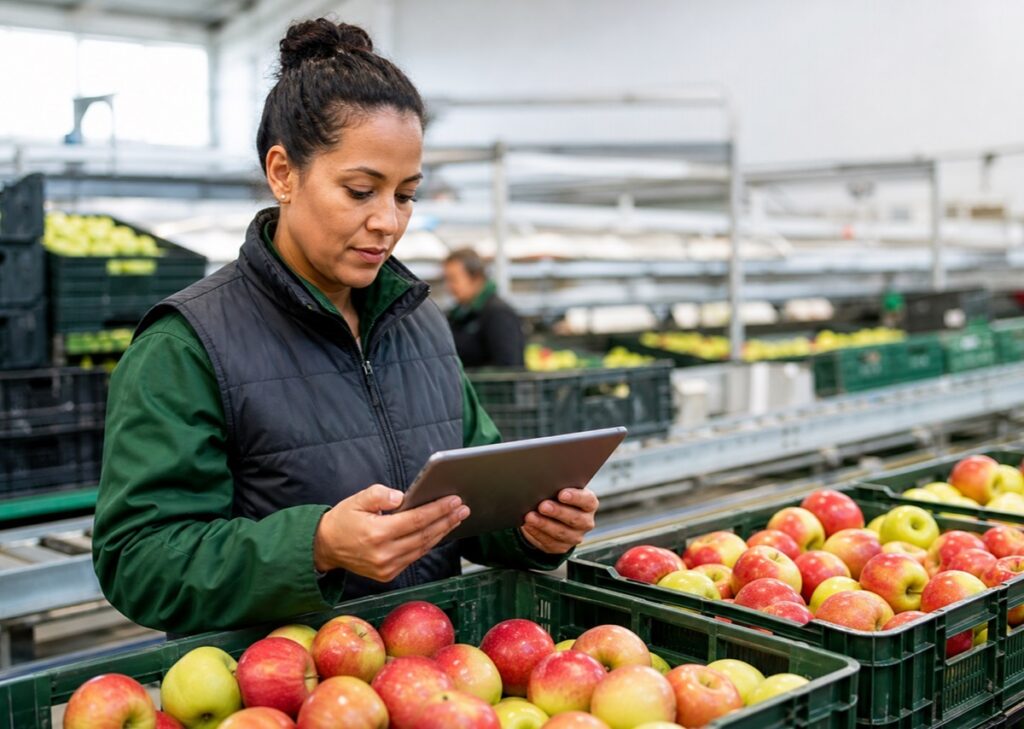
AI-driven inspection tools are emerging as the bridge between experience and efficiency, giving less-specialized staff the ability to perform consistent, accurate checks with the support of computer vision and mobile guidance.
As Cristobal reflected: “The market now recognizes the need to objectify and mitigate this risk. Conceptually, the solution is AI that allows a user with a smartphone to perform inspections that used to need the attention of a specialist.”
For growers and packers operating under pressure, this transition is about resilience. By reducing reliance on expert inspectors and simplifying data capture, businesses can continue operating smoothly even as workforce dynamics fluctuate.
Data Transparency Is Becoming a Shared Priority
If there was a single unifying theme at IFPA and Fruit Attraction, it was transparency. Every stakeholder, from growers to procurement leads, is seeking clearer, faster, and more reliable visibility into product quality.
“The world’s most influential produce leaders are realizing that their current QC processes and real-time quality data are lacking.” – Todd Fabec, Head of North America.
In our conversations at IFPA and Fruit Attraction, these challenges surfaced again and again:
- Inconsistent grading between sites or suppliers.
- Limited visibility into the causes of claims and rejections.
- Communication lags between QC teams and commercial partners.
Without a shared data language, quality discussions will stay subjective and reactive. This is one of the main reasons that both buyers and sellers are now prioritizing shared QC systems that standardize grading, automate reports, and make inspection data available in real time.
This demand for interoperability, where a grower’s inspection report can seamlessly sync with a retailer’s specifications, is quietly transforming how value chains communicate. In an industry where margins are tight and relationships depend on trust, quality data transparency is fast becoming the new currency.
Barriers to Adoption Are Changing
At Fruit Attraction, one recurring conversation revolved around cost and infrastructure. While the appetite for AI-powered quality systems is strong across Europe and Latin America, smaller producers and cooperatives still face hurdles in adopting new technology. The main barriers to adoption are price – both of the software itself, and associated hardware.
The good news from this year’s conference circuit is that those barriers are eroding. As mobile-first platforms and SaaS-based inspection models replace heavy hardware setups, it’s becoming easier and more affordable to introduce automation into daily workflows. Where once digital QC required specialized cameras or servers, now it can run on the same smartphones already used for field data collection and logistics.
This accessibility is opening doors for producers in emerging markets to compete on equal footing with their larger counterparts. The result is a more level playing field, one where data, not geography, defines competitiveness.
“Year over year, the value promised by data-driven QC is showing up in the numbers: fewer rejections, fewer claims”. – Todd Fabec, Head of North America.
The Pilot Phase is Over: AI-Powered Quality Control is Now Proven Practice
The industry has entered a phase of validation. Computer vision, real-time analytics, and AI-driven decision support were interesting product roadmaps just a few years ago. Now, they’re being used daily by growers, packers, and retailers managing millions of inspections per year.
This maturation is building confidence across the value chain and setting a higher bar for the next generation of digital tools. As Todd explains, “Clarifresh’s computer vision, real-time analytics, and AI functionality are real, not theoretical. It’s now widely seen as a tried-and-true solution.”
Clarifresh at the Heart of Produce Innovation
Our presence at IFPA and Fruit Attraction this year reaffirmed what we see every day in the field: the produce industry is ready to work smarter. Across continents, conversations centered on data transparency, automation, and the need for quality processes that scale with demand. Clarifresh has been leading this transformation, applying AI, computer vision, and real-time analytics to make quality data a living part of the supply chain.
If you’re ready to see how data-driven quality control can strengthen your relationships, reduce rejections, and create measurable value, book a demo with our team. The future of produce quality is already here, and it’s being shaped by those willing to digitize with purpose.