2026, The Year of the Woman Farmer, And Modern Quality Control Technology
- Quality Control App
The United Nations has designated 2026 as the “Year of the Woman Farmer.” This moment coincides with a deeper transformation already underway across U.S. and Canadian fresh produce operations. Quality-sensitive supply chains are being reshaped by digitization, standardization, and data-driven decision-making.
The rise in women’s participation across specialty crops mirrors a shift toward modern production and QC environments where process discipline, digital fluency, and consistency matter more than physical intensity or informal knowledge transfer. The “Year of the Woman Farmer” is less a social milestone than a signal of how competitive agriculture is evolving.
The Changing Face of North American Agriculture
Across both the United States and Canada, the demographic profile of agriculture has been shifting steadily, especially in high-value, quality-sensitive categories.
In the U.S., women now make up roughly 36% of producers, with particularly strong representation in specialty crops such as fruits, vegetables, orchards, and greenhouse operations. In Canada, women account for approximately 30% of farm operators, with accelerated participation in horticulture and controlled-environment agriculture.
These segments matter because specialty crops are operationally demanding. They require tighter harvest timing, more precise handling, and significantly more rigorous post-harvest quality control than commodity crops. As a result, they are often the first to adopt new technologies and standardized workflows.
What’s changing isn’t just who is working in agriculture, but also the skills agriculture now requires:
- Comfort with digital tools rather than paper-based processes
- Adherence to standardized workflows instead of informal judgment
- The ability to act on real-time quality data rather than retrospective feedback
Fresh produce operations are becoming more structured, more measurable, and more data-centric. The workforce is evolving accordingly.
Why This Matters for Fresh Produce QC Teams
Nowhere is this shift more visible than in post-harvest quality control.
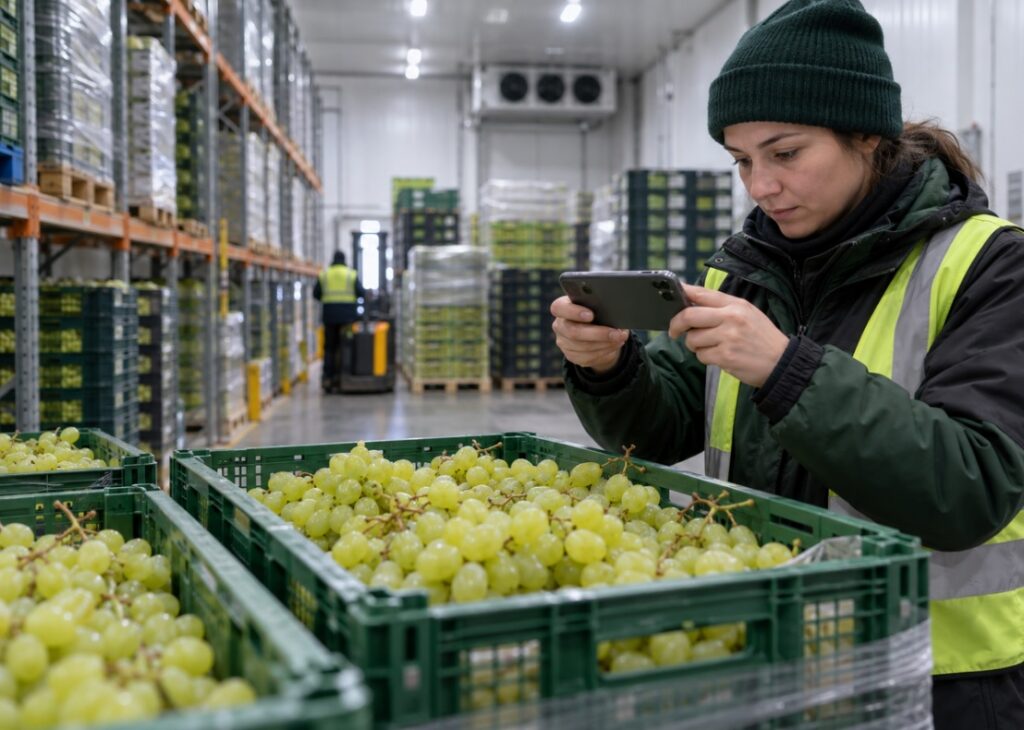
Across North America, packhouses and distribution centers are under pressure from multiple directions: persistent labor shortages, high seasonal turnover, and increasingly strict retailer specifications. At the same time, the cost of quality failures — rejections, downgrades, disputes — continues to rise.
Historically, QC roles were built around manual inspections and individual experience. Quality was assessed through intuition, informal benchmarks, and knowledge passed down over time. That model is no longer sufficient.
Modern QC teams are expected to deliver:
- Consistent grading across inspectors and sites
- Clear documentation tied to retailer standards
- Faster decisions that protect shelf life and value
As these expectations rise, the barriers to entering and succeeding in QC roles are changing. Physical demands and institutional memory matter less. Process adherence, accuracy, and technology use matter more.
The New Skillsets Powering North American Quality Control
As quality control modernizes, a new set of competencies defines effective QC teams:
1. Digital Proficiency
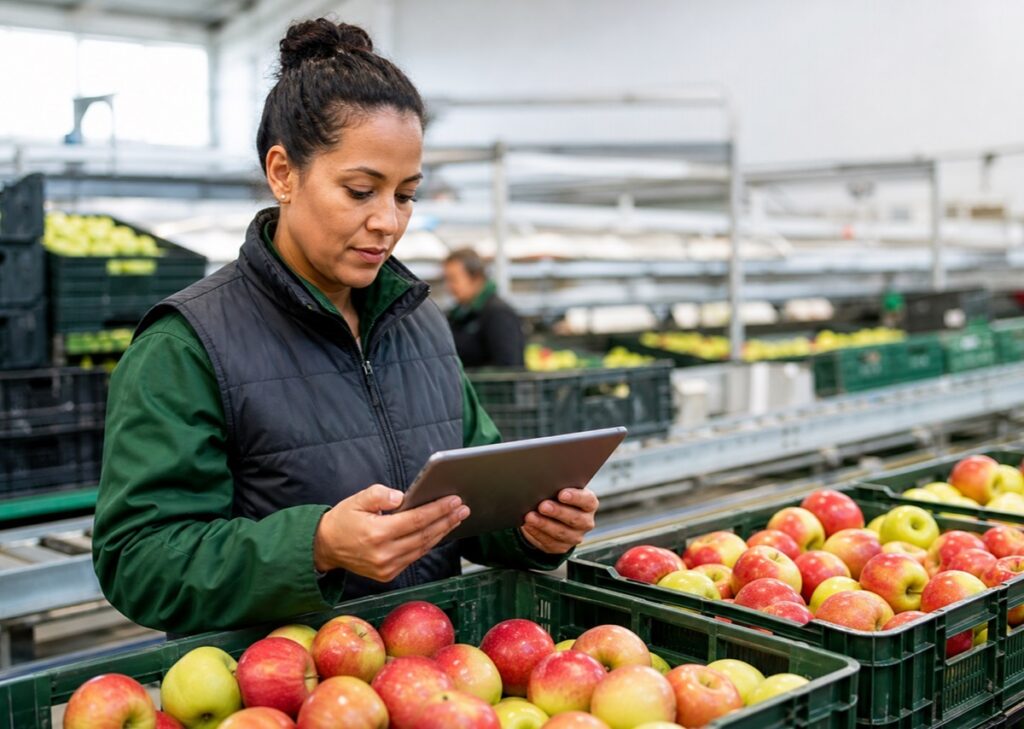
Mobile inspection tools, standardized scoring systems, and cloud-based reporting are now core infrastructure in many operations. QC professionals must be comfortable capturing data digitally and following predefined workflows without friction.
2. Real-Time Decision-Making
Quality data is no longer static. Inspectors and managers are expected to recognize defect trends quickly and make informed decisions, whether that means rerouting product, adjusting cooling protocols, or downgrading proactively.
3. Process Consistency
Retailers increasingly demand uniform quality outcomes, not individual interpretation. That requires inspectors to follow shared digital standards rather than relying on personal judgment or local norms.
4. Data Fluency
Dashboards, alerts, and trend analysis are becoming part of day-to-day QC operations. Understanding what the data shows (and what action it enables) is now central to the role.
Together, these skills define the modern QC function. They also lower the reliance on informal gatekeeping, making quality roles more accessible, scalable, and resilient in a tight labor market.
How Technology Is Redefining Who Can Excel in Quality Control
Improving inspection accuracy is the most obvious benefit of digitization, but not the only one. It’s also changing how QC teams train and improve over time.
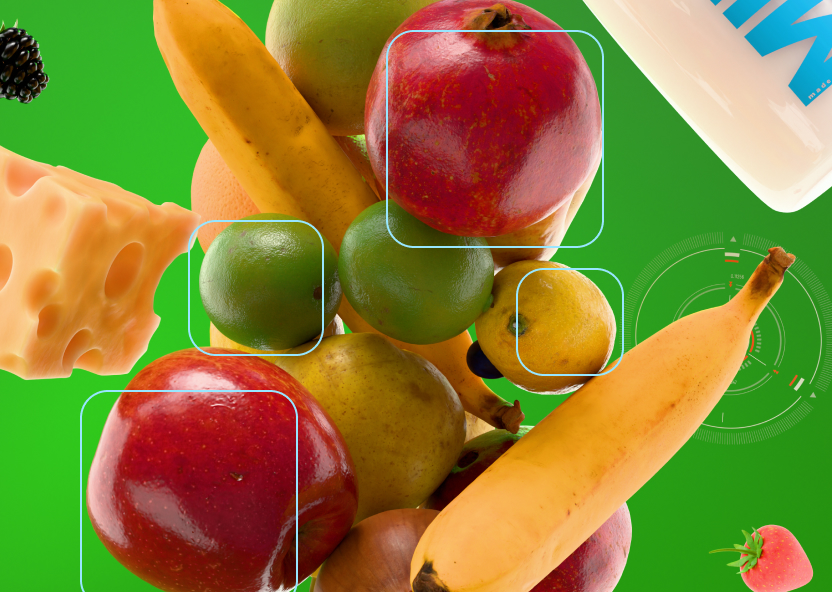
AI-supported inspection frameworks reduce variability in human judgment, ensuring consistent grading regardless of who performs the inspection. Mobile-first workflows simplify training by embedding standards directly into the process, rather than relying on shadowing or verbal instruction. Cloud-based dashboards replace experience-based knowledge transfer with shared visibility.
For operations facing constant workforce churn, this matters. Digital QC tools significantly shorten the learning curve for new hires, enabling teams to maintain performance even during seasonal transitions.
The result is a quality function that is less fragile, less dependent on individual tenure, and better aligned with modern supply chain demands.
A Workforce Shift Driven by Competitiveness, Not Rhetoric
The UN’s “Year of the Woman Farmer” may carry different meanings in different regions. In North America’s fresh produce sector, its significance is practical.
Quality control is no longer about who has been on the floor the longest. It’s about who can operate within standardized systems, act on real-time information, and protect value across increasingly complex supply chains.
Digitization is reshaping the work.Standardization is reshaping expectations. And data is reshaping who can succeed.